SSD Summit
Please sign in to access your itinerary, materials and links to all your sessions.


Problem Gambling in the Military:
Time for Greater Attention
Gambling harm is a real and under-recognized military health issue.
This summit exists to establish that plainly — to bring the right people into one room, share the evidence,
hear from those who have lived it, and build the connections needed to act.
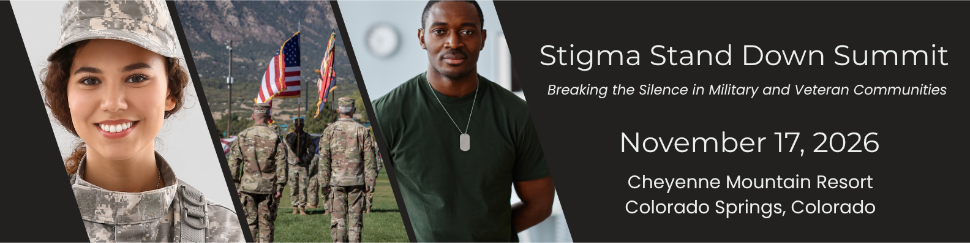
The Kindbridge Research Institute proudly presents the inaugural Stigma Stand Down Summit—the first national event dedicated to confronting stigma as one of the greatest barriers to help-seeking for active-duty service members, veterans, and military families.
The Stigma Stand Down Summit is a national forum that unites leaders from military, healthcare, research, government, and community organizations to reduce stigma, remove barriers to help-seeking, and strengthen support for active-duty service members, veterans, and military families.
While the summit will explore the full spectrum of behavioral health challenges facing military communities, it will place special emphasis on gambling-related harm and its connection to mental health, financial well-being, suicide prevention, family stability, and force readiness. Despite its far-reaching consequences, gambling harm remains one of the most overlooked and least discussed issues affecting military populations. Stigma Stand Down is changing that.
The day moves through four phases:
Its aim is not a single set of resolutions, but a shared understanding and a coalition equipped to carry the conversation forward.
More Than a Conference
Stigma Stand Down is more than a single-day event—it is the beginning of a national movement. Designed to become an annual forum for collaboration and action, the summit will unite leaders across disciplines to share emerging research, challenge long-held assumptions, highlight innovative solutions, and develop practical strategies that reduce stigma, encourage earlier help-seeking, and strengthen the health and readiness of military communities.
Be part of the national conversation that will inspire lasting change for those who have served—
and those who continue to serve.

 PRINT PARKING MAP